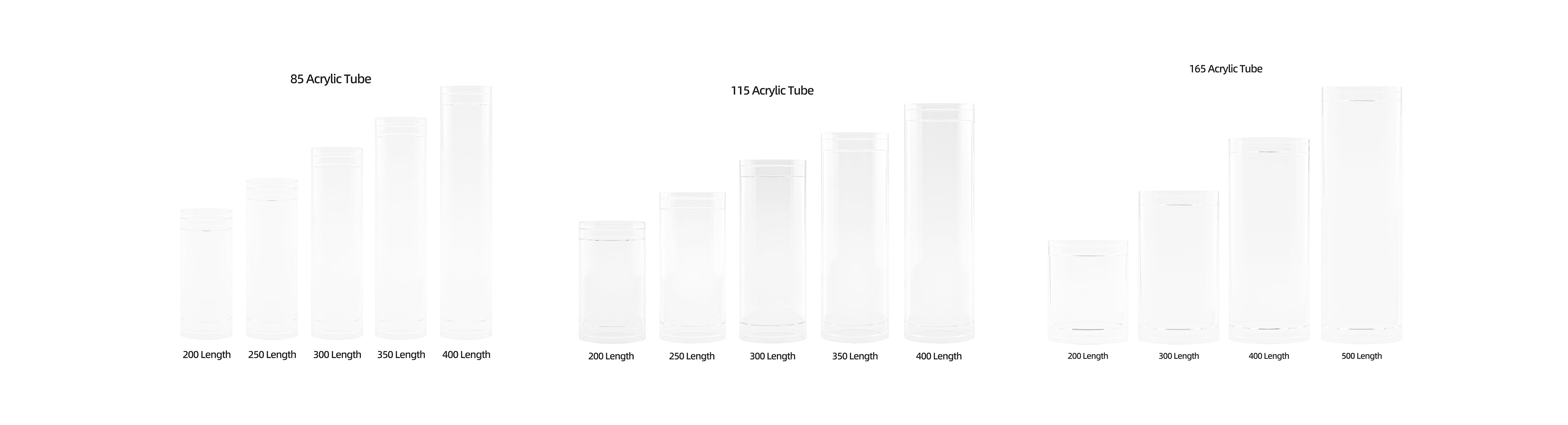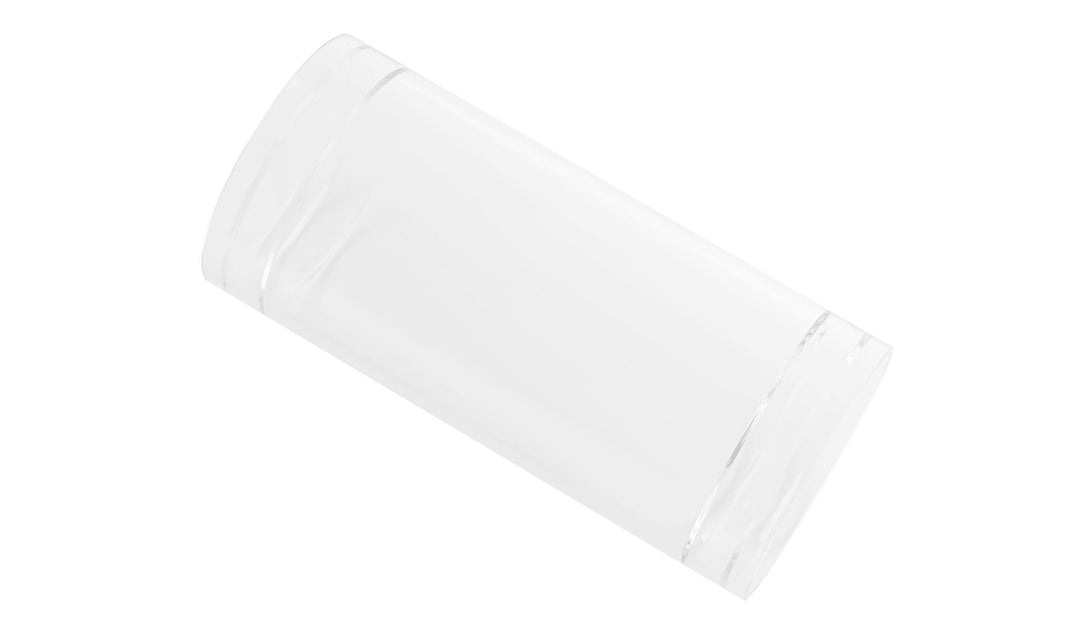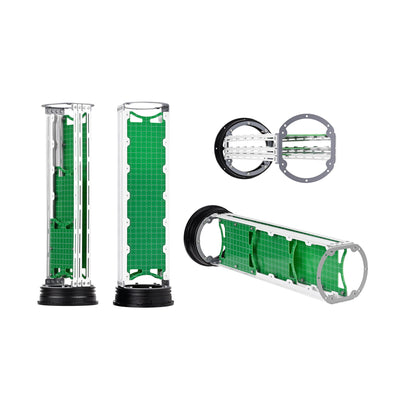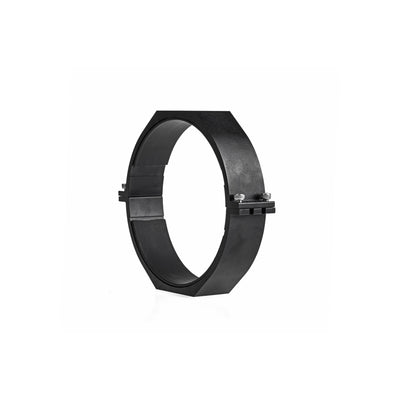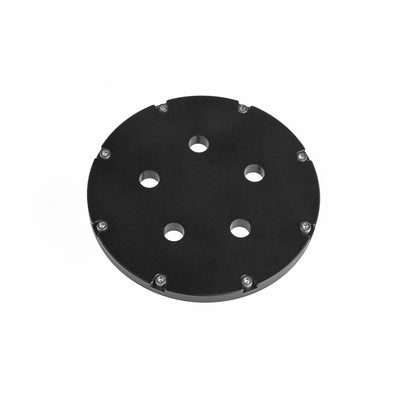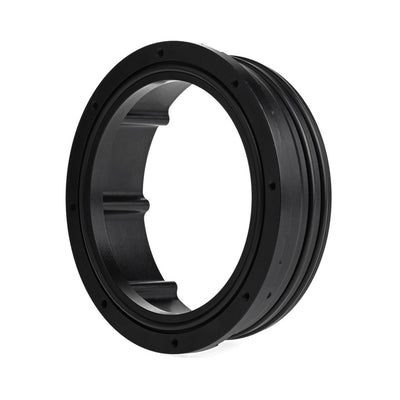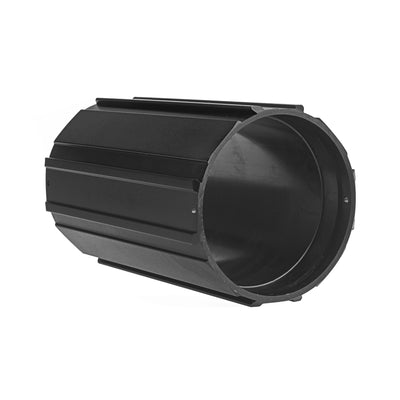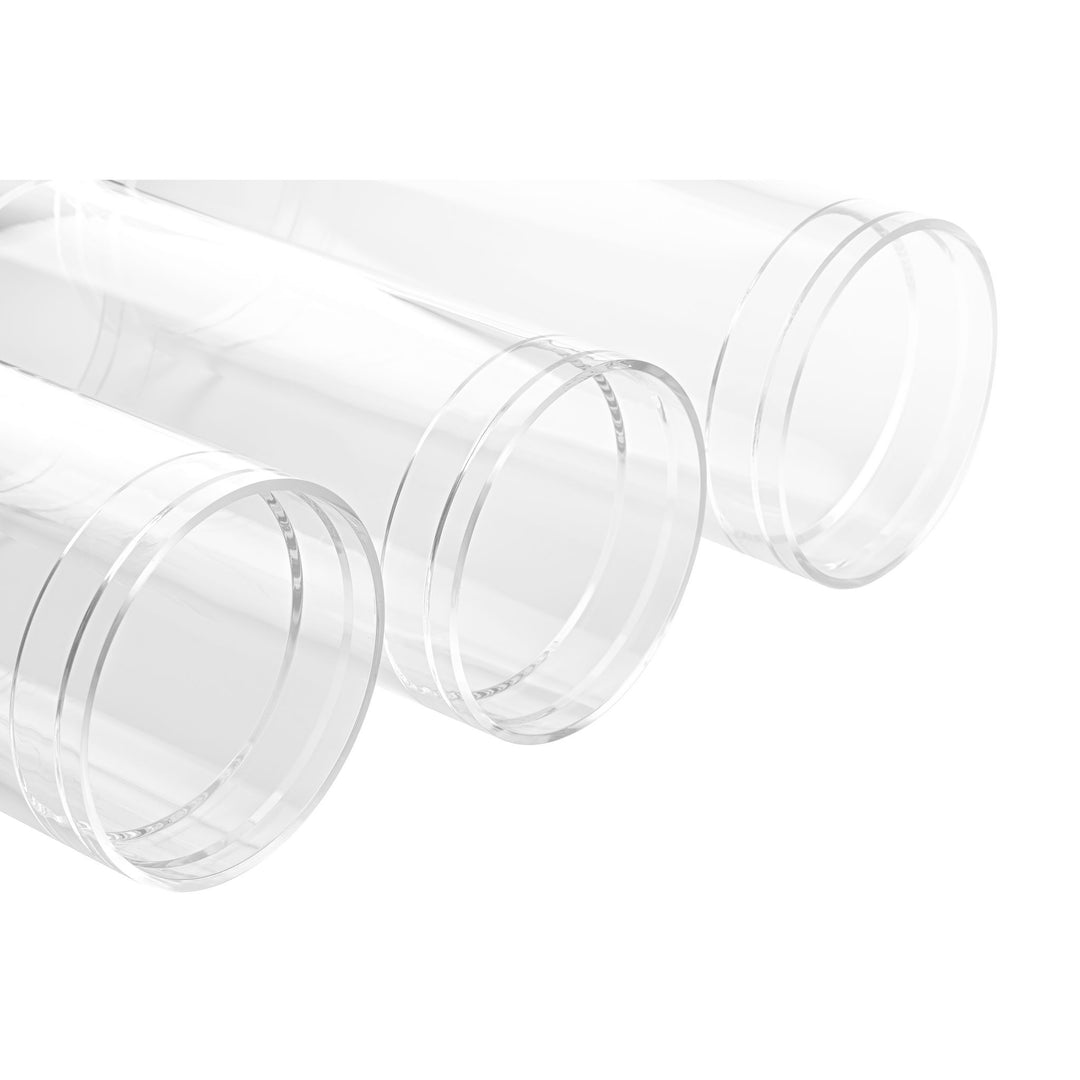
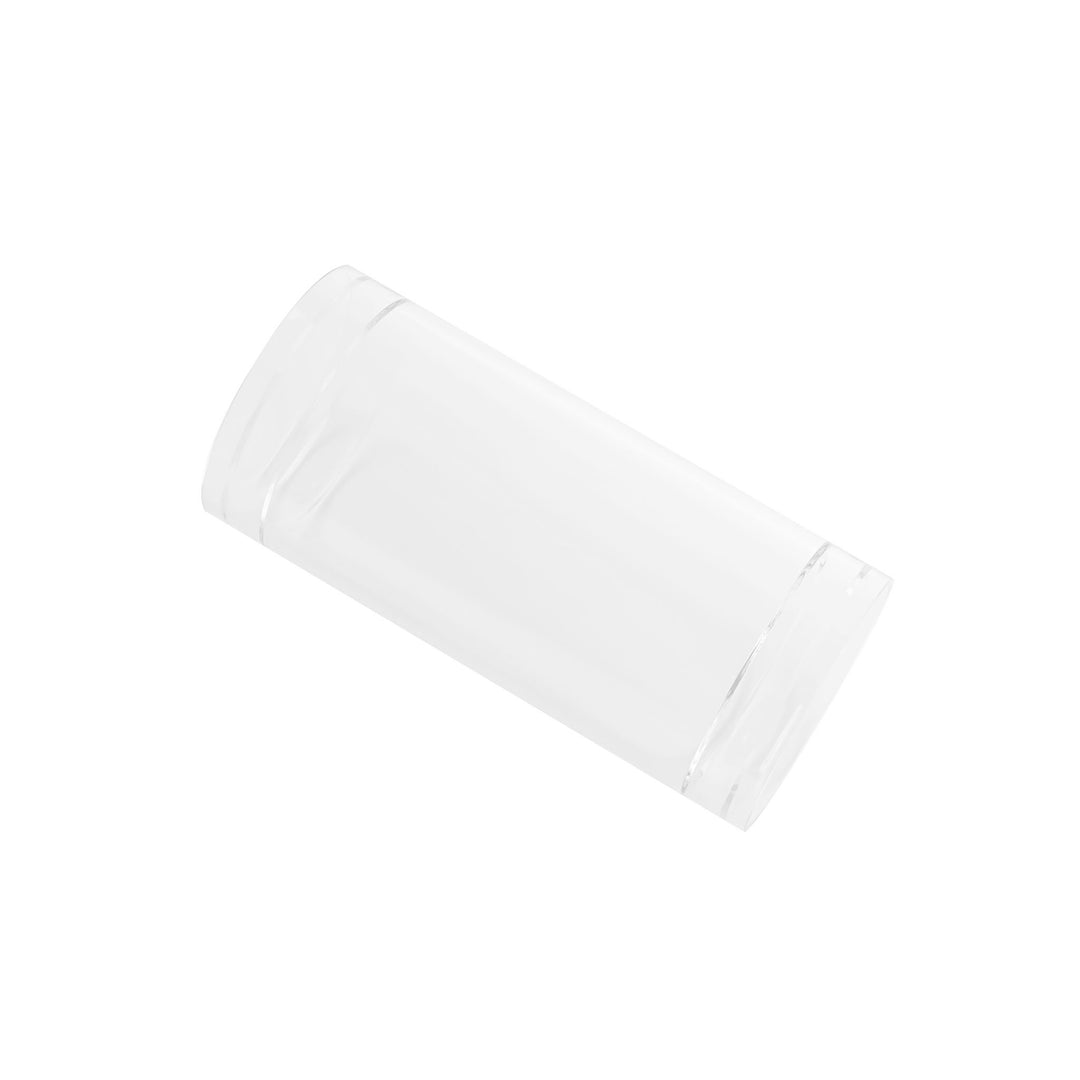
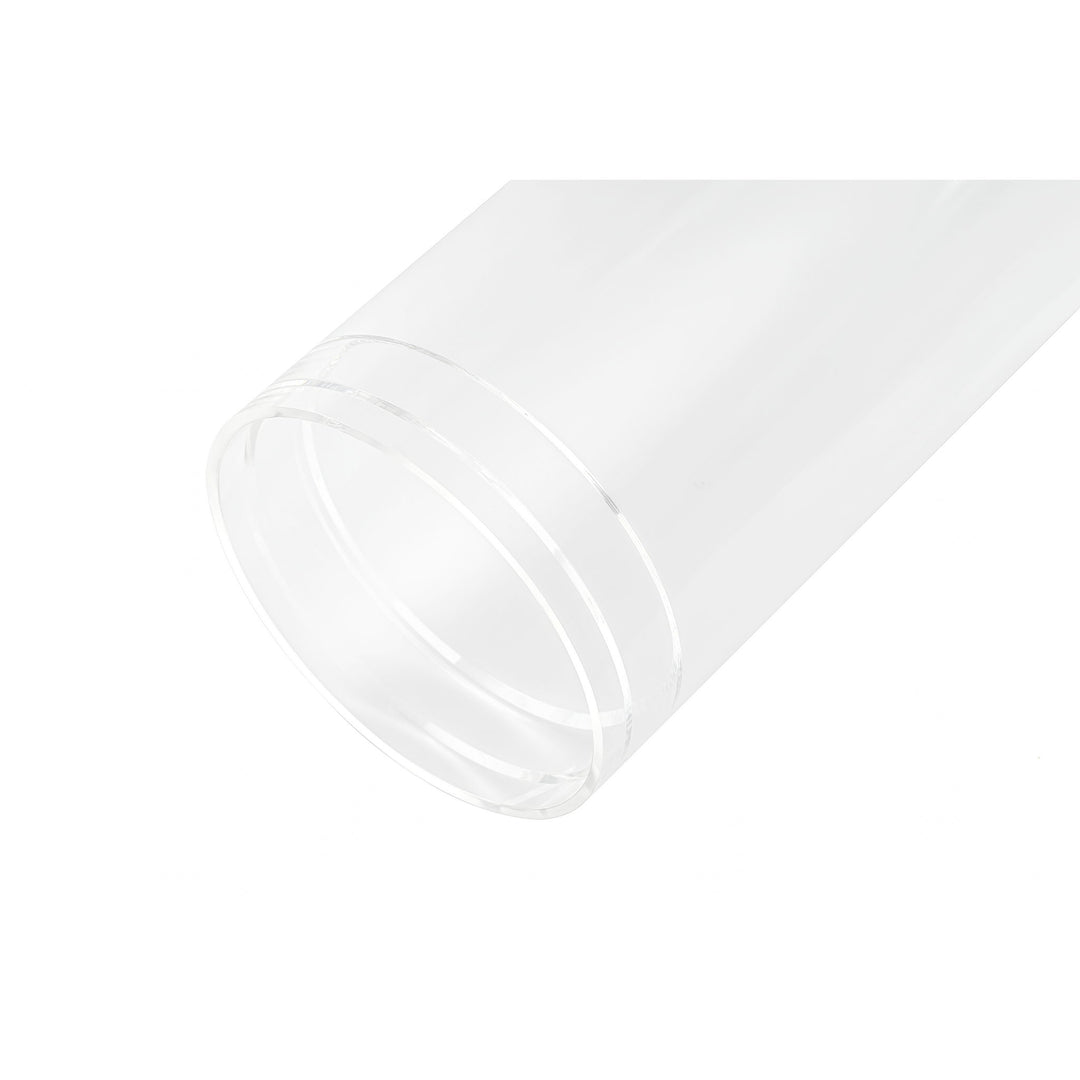
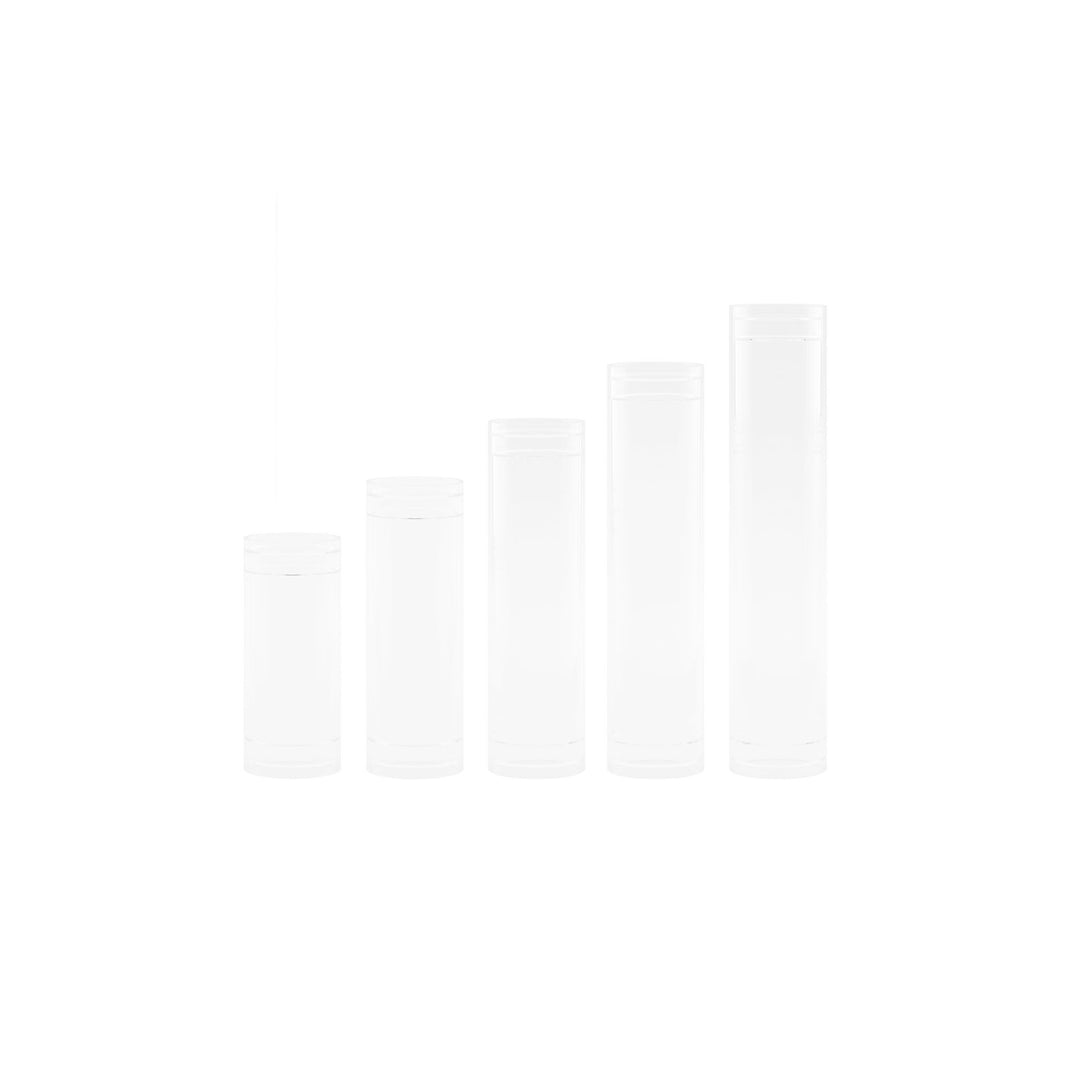
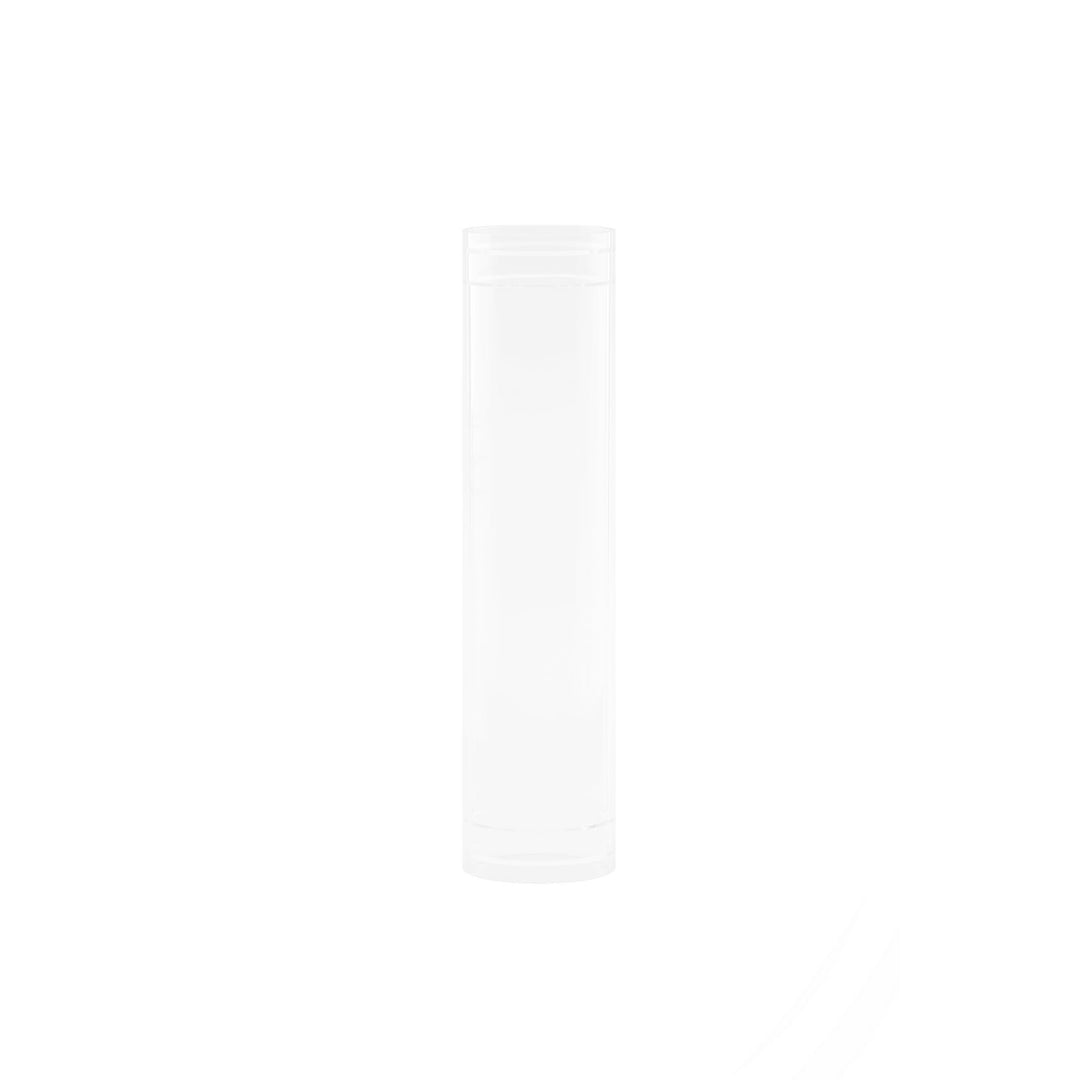
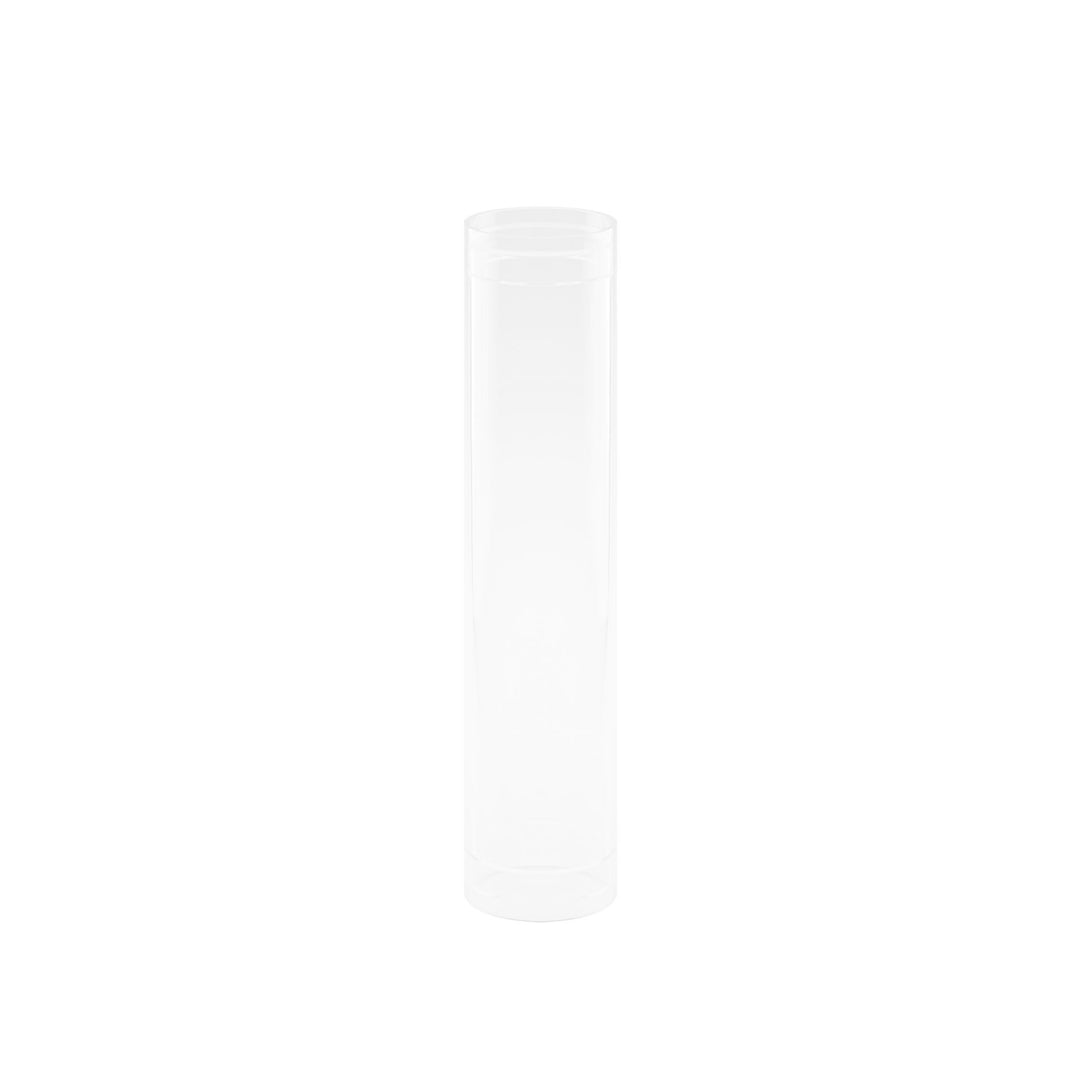
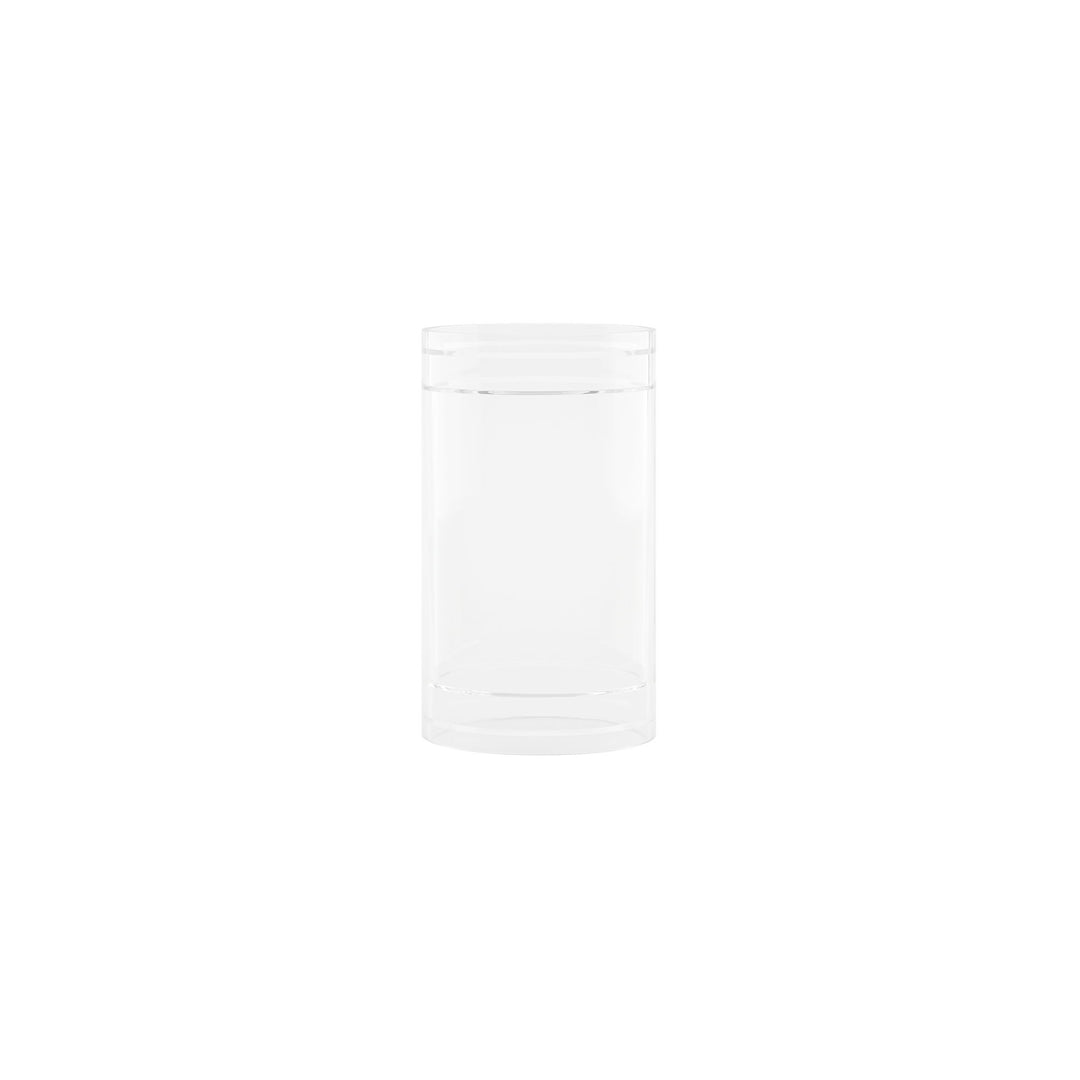
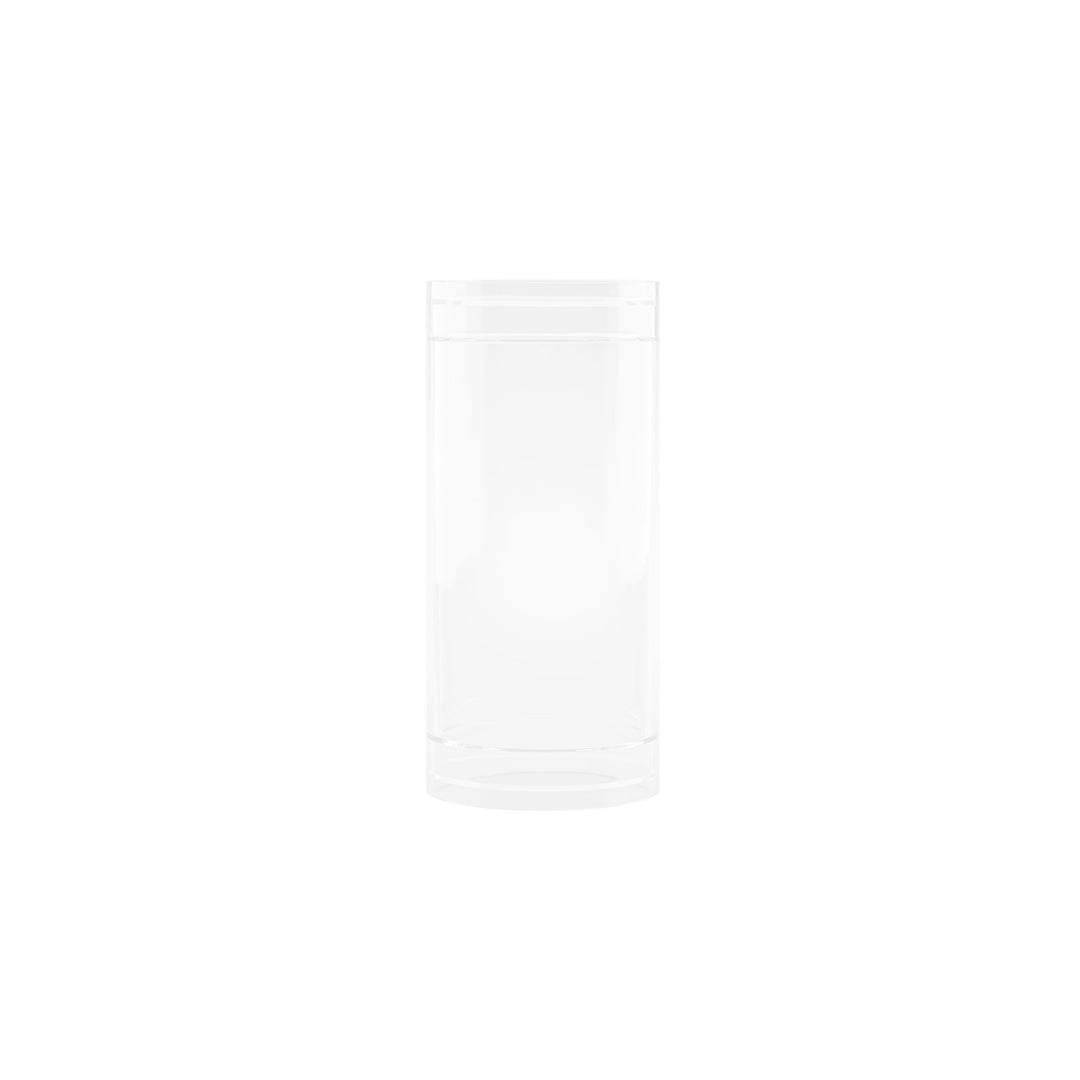
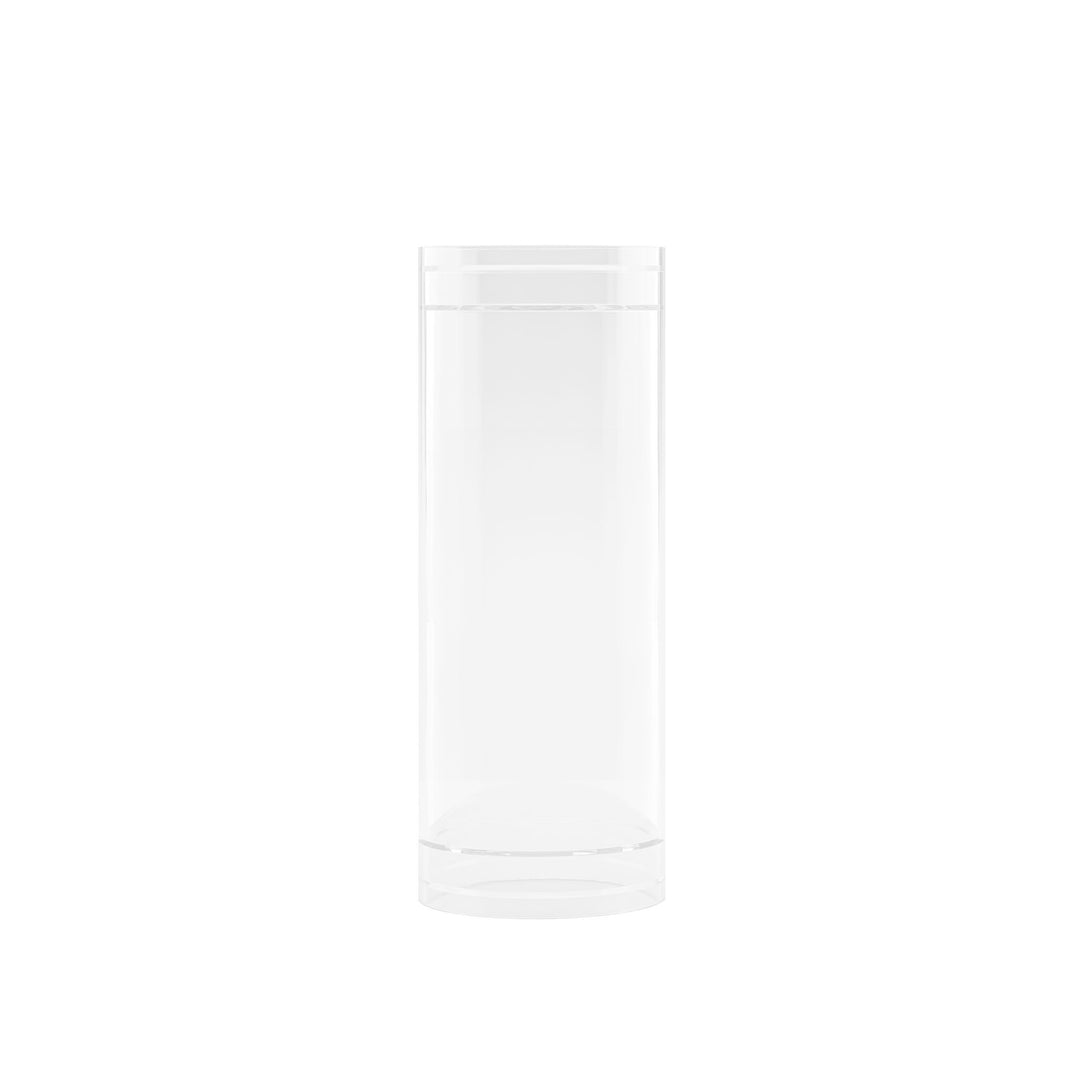
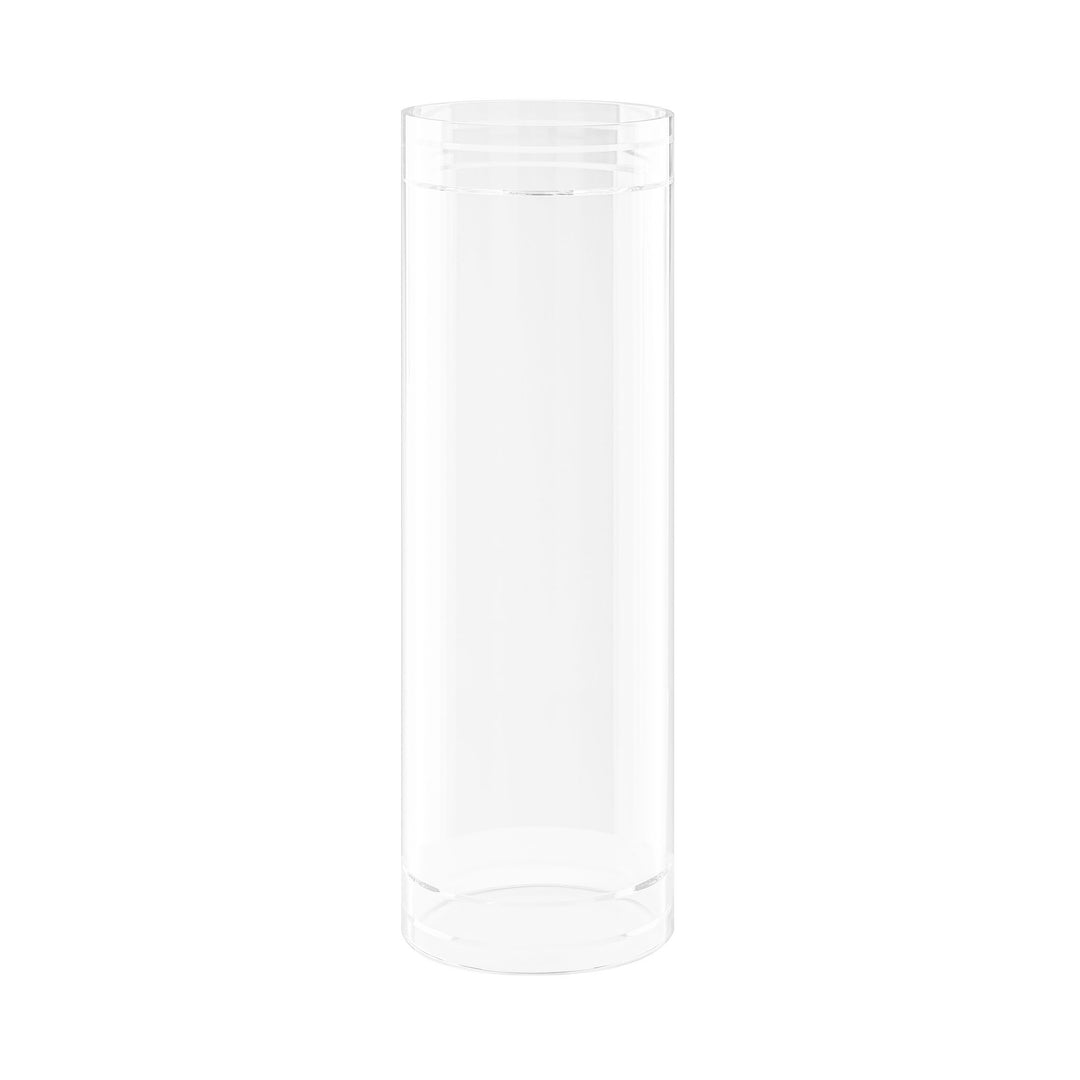
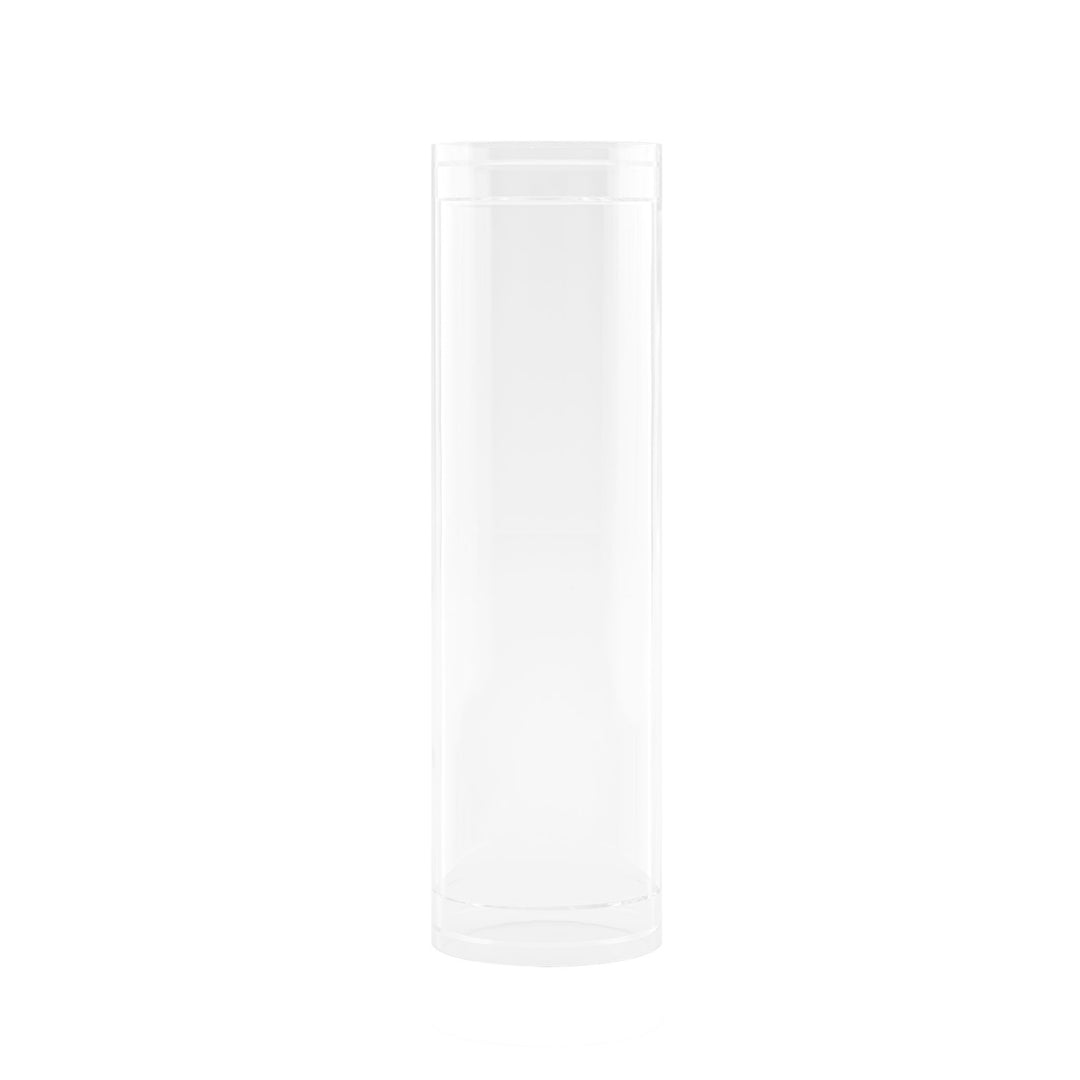
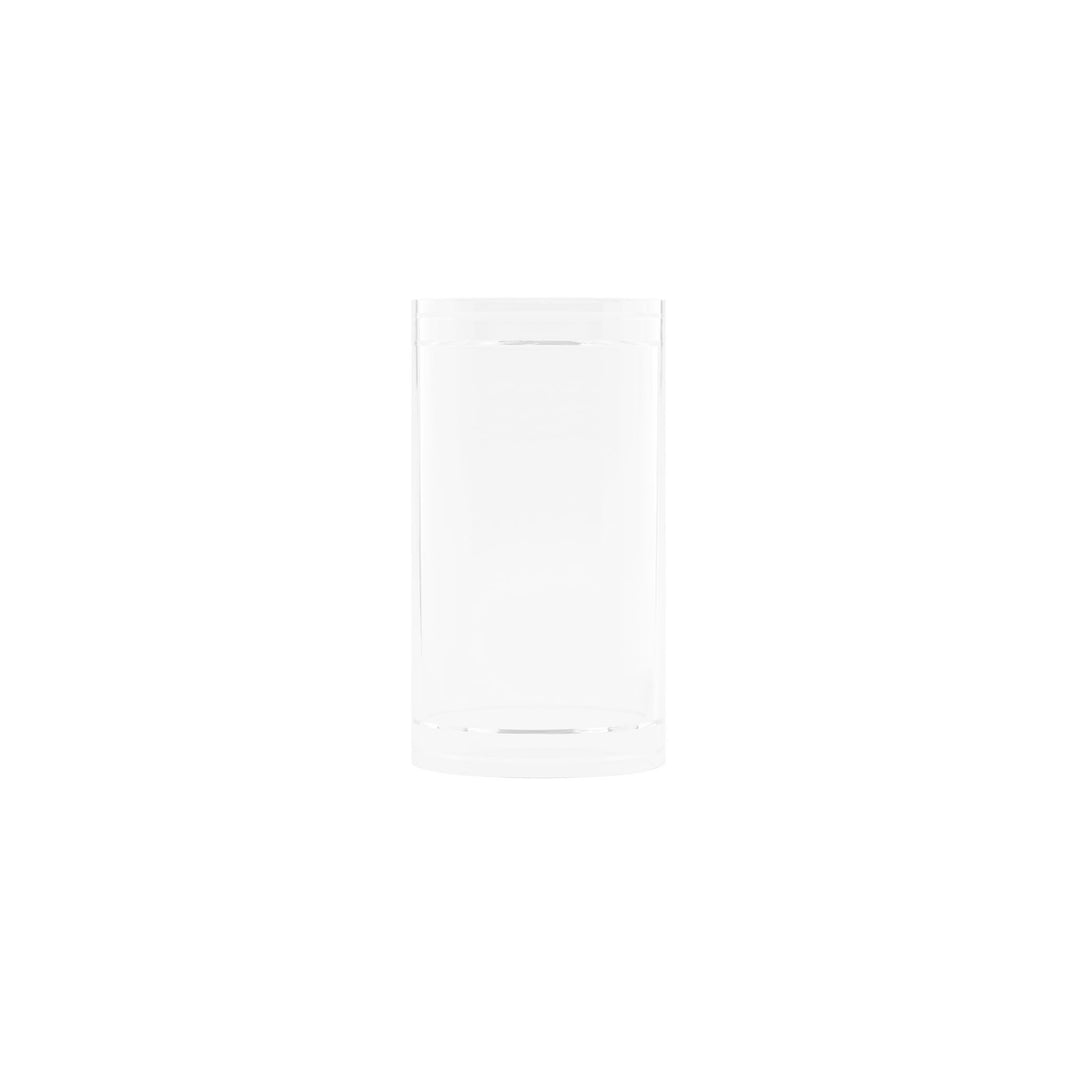
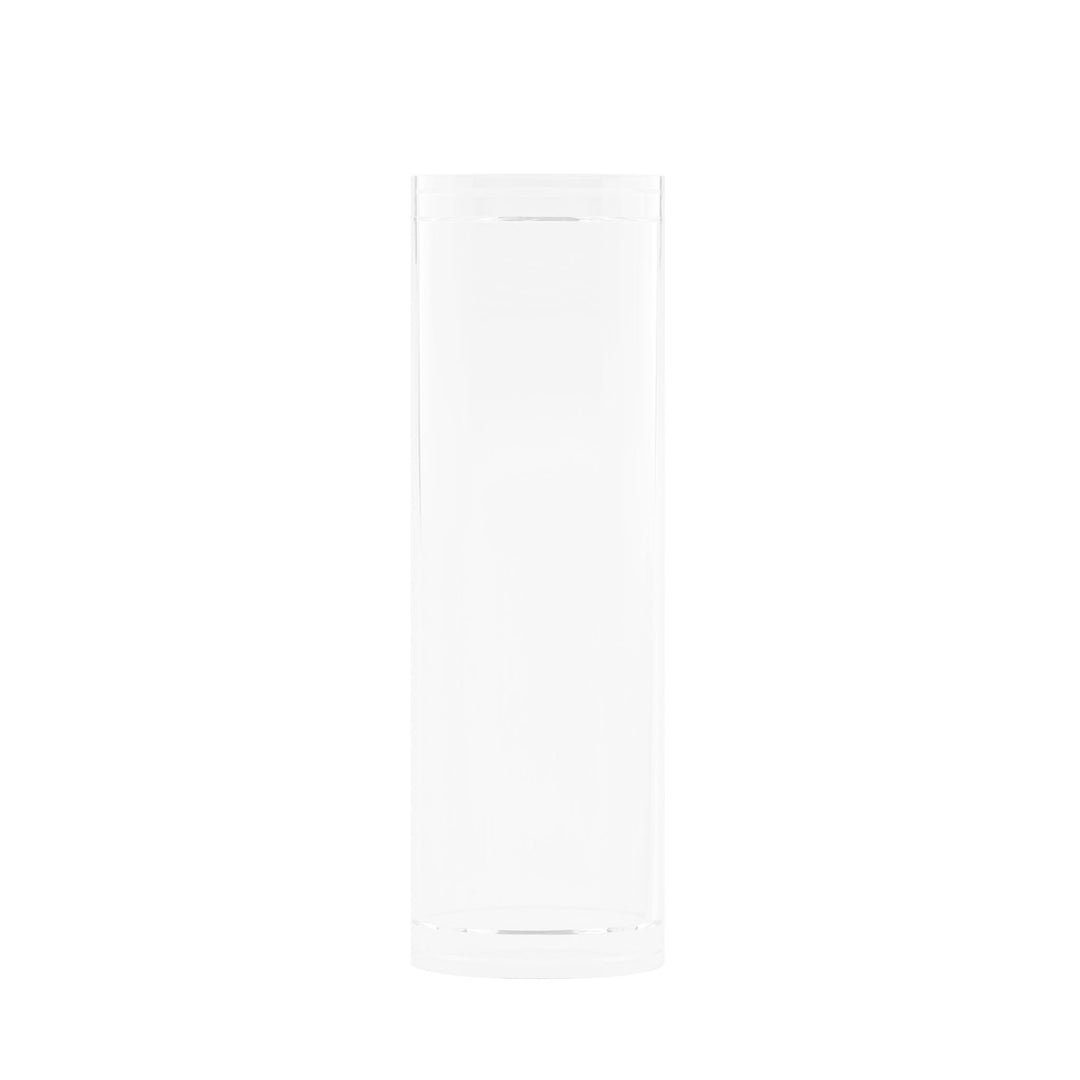
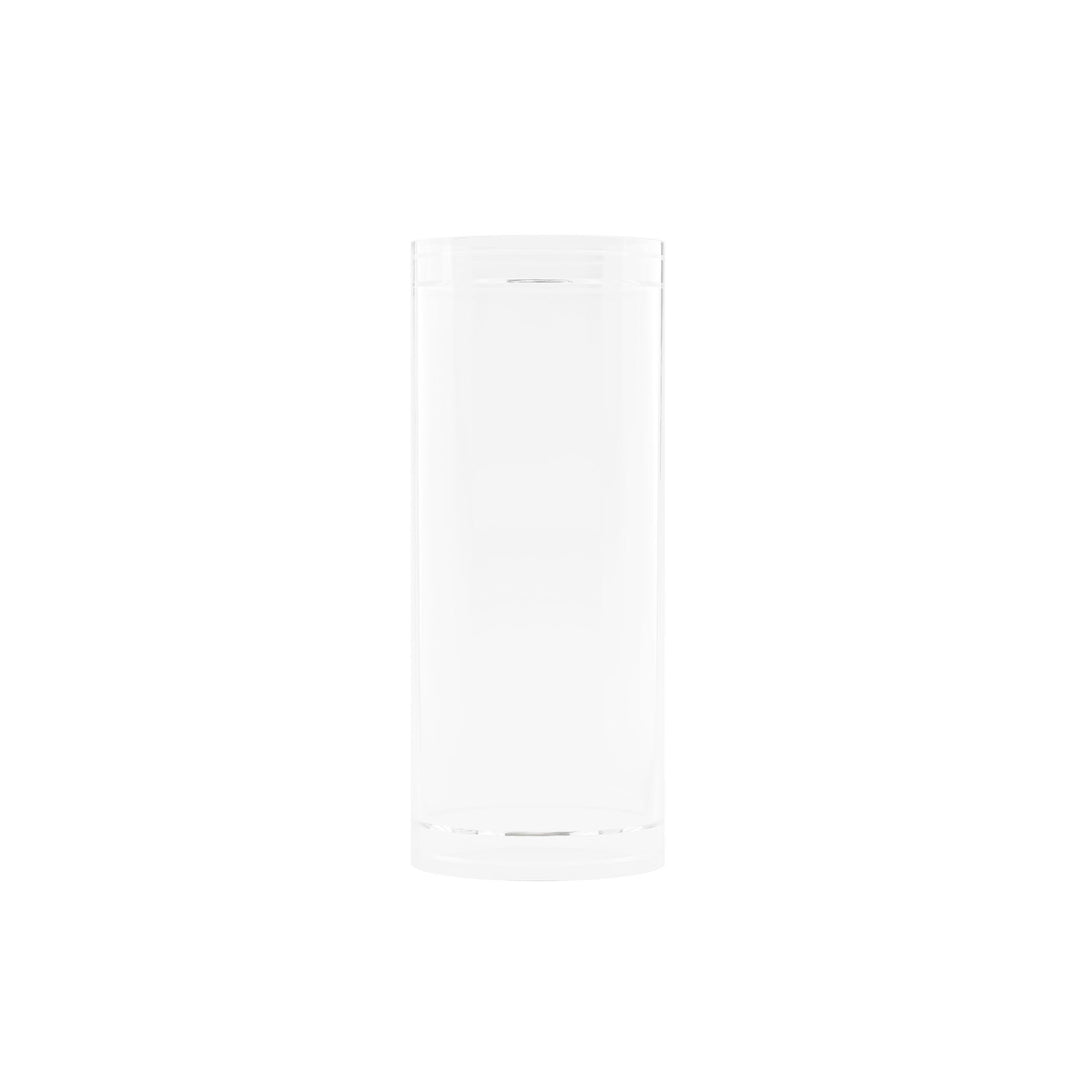
The Subsea Enclosure Acrylic Tube is machined from cast PMMA (acrylic), offering strong optical clarity and excellent mechanical performance for underwater use. Its precision design enables use as an underwater pressure housing or part of an engineered pressure vessel (PV) system. The inner and outer diameters are precisely controlled to ensure a consistent O-ring seal when used with Blu-Sub flanges and end caps.
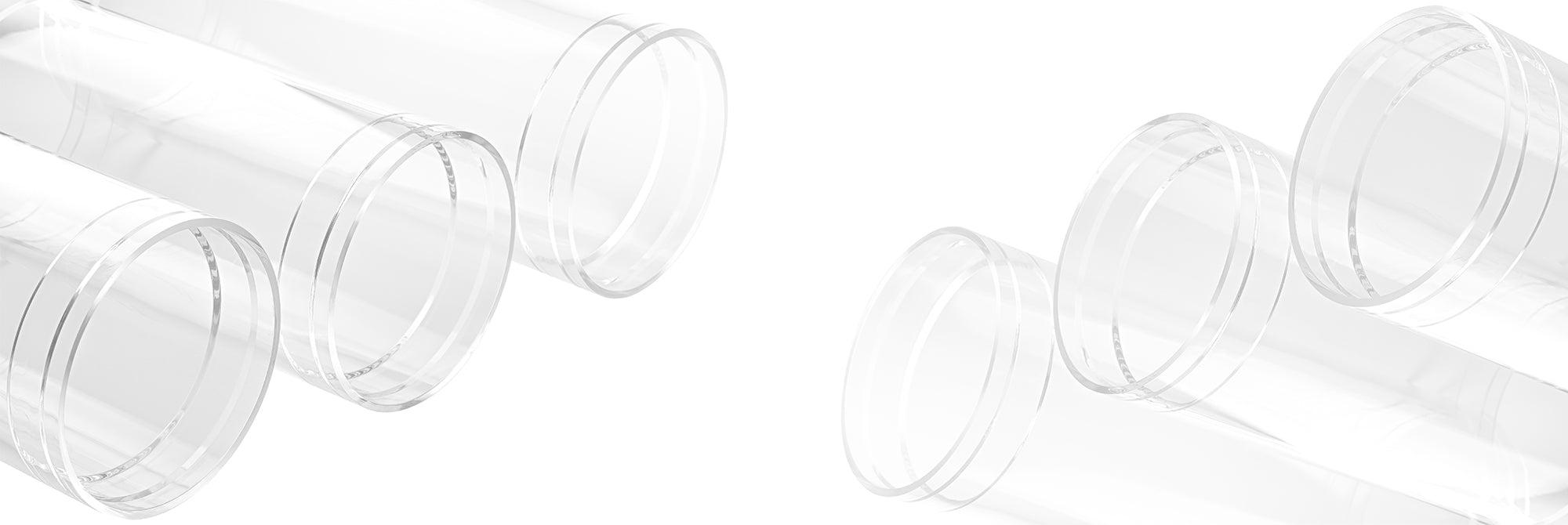
The outer diameter is machined flat at both ends to allow full-surface contact with the flange’s O-ring interface, improving sealing integrity. The inner diameter is slightly undercut at each end to accommodate O-ring compression and avoid radial interference when inserting flanges. This dual-end machining approach supports repeatable watertight performance under shallow to mid-depth conditions, ideal for small ROV assemblies and custom pressure vessel (PV) configurations.
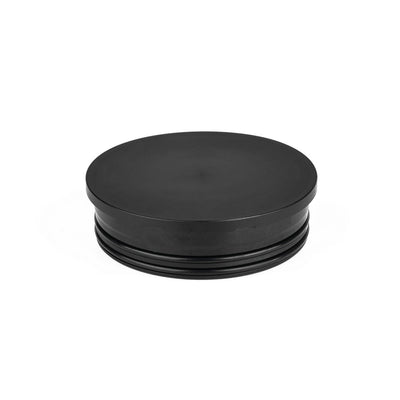
The acrylic tube is compatible with multiple Blu-Sub sealing systems, depending on whether you need maximum depth rating, internal visibility, or a dedicated optical window for imaging payloads. Most builds use the Subsea Aluminum Flange paired with either the Subsea Aluminum End-Cap for high depth-rated enclosures, or the Subsea Acrylic End-Cap for cost-effective, transparent shallow-water builds where internal visibility is required.
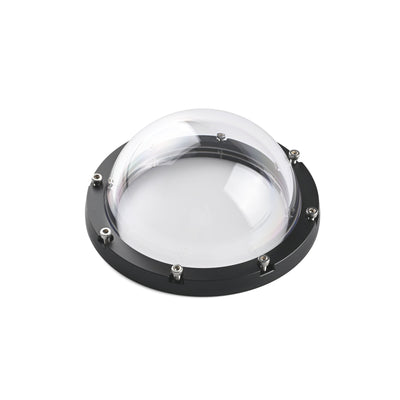
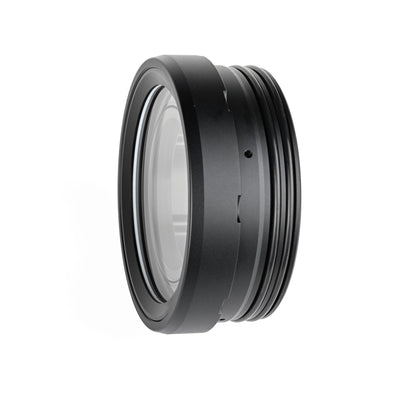
For 115 mm tube systems, additional integrated flange/end-cap options are available, including the Subsea Polymer Flange & End-Cap 115mm for general-purpose shallow-water use, the Subsea Optical Dome Flange & End-Cap 115mm for wide-angle camera systems (requires the Subsea Aluminum Flange), and the Subsea Optical Glass Flange & End-Cap 115mm for precision flat-window imaging and sensor payloads.
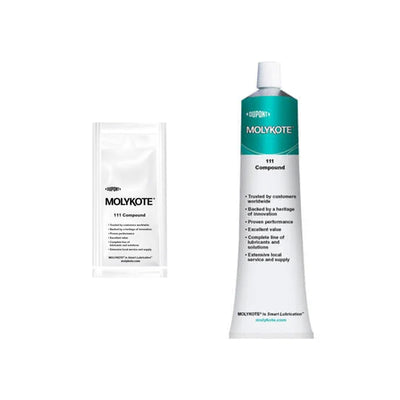
When installing the Subsea Aluminum Flange or any other flange/end-cap assembly, be sure to thoroughly lubricate all flange O-rings using O-Ring Lubricant – MOLYKOTE® 111 Compound. Proper lubrication ensures smooth installation and prevents O-ring or surface damage, maintaining reliable sealing performance over repeated assembly cycles.
| Item | Material | Depth Rating | Weight |
|---|---|---|---|
| 85 Acrylic Tube /200 Length | Clear Acrylic | 250 meters / 820 ft | 316g |
| 85 Acrylic Tube /250 Length | Clear Acrylic | 200 meters / 656 ft | 400g |
| 85 Acrylic Tube /300 Length | Clear Acrylic | 150 meters / 492 ft | 485g |
| 85 Acrylic Tube /350 Length | Clear Acrylic | 140 meters / 459 ft | 570g |
| 85 Acrylic Tube /400 Length | Clear Acrylic | 130 meters / 427 ft | 651g |
| 115 Acrylic Tube /200 Length | Clear Acrylic | 180 meters / 591 ft | 460g |
| 115 Acrylic Tube /250 Length | Clear Acrylic | 150 meters / 492 ft | 578g |
| 115 Acrylic Tube /300 Length | Clear Acrylic | 130 meters / 427 ft | 737g |
| 115 Acrylic Tube /350 Length | Clear Acrylic | 100 meters / 328 ft | 831g |
| 115 Acrylic Tube /400 Length | Clear Acrylic | 90 meters / 295 ft | 962g |
| 165 Acrylic Tube /200 Length | Clear Acrylic | 100 meters / 328 ft | 693g |
| 165 Acrylic Tube /300 Length | Clear Acrylic | 80 meters / 262 ft | 1092g |
| 165 Acrylic Tube /400 Length | Clear Acrylic | 50 meters / 164 ft | 1495g |
| 165 Acrylic Tube /500 Length | Clear Acrylic | 20 meters** / 66 ft** | 1900g |
* Pressure-resistant depth retains a margin of safety, but should be less than 300 hours in the vicinity of the rated depth. For long-term use at the rated depth, it is advisable to use Blu-Sub’s enclosure aluminum tubes. The rated depth data refers to the pressure-resistant depth without vacuum evacuation.
** The rated pressure depth of the 165×500 specification is estimated. Due to the limited size of the pressure test equipment, this specification has not been tested.
SPECIAL NOTE: Acrylic products should not come into contact with alcohol, do not touch any kind of alcohol or alcohol derivatives or the acrylic tube will break and fail! Do not clean any acrylic with alcohol either! Use only water or acrylic safe cleaners. Alcohol, solvents and harsh cleaners will crack and damage the material! Most threadlockers are chemically incompatible with plastics and will also damage acrylic!
| Item | Inner Diameter (A) | Outer Diameter (B) | Length (C) | Piston Hole Depth (D) |
|---|---|---|---|---|
| 85 Enclosure Acrylic Tube | 73 mm | 85 mm | Total Length ±1 mm | 28.5 mm |
| 115 Enclosure Acrylic Tube | 102 mm | 115 mm | Total Length ±1 mm | 29 mm |
| 165 Enclosure Acrylic Tube | 151 mm | 165 mm | Total Length ±1 mm | 29.5 mm |
Why should it be used for less than 300 hours at rated depth?
The 300-hour guideline applies when operating at the **maximum rated depth** for the acrylic tube, as specified in the specification table above. At that depth, prolonged exposure may lead to material creep and increased risk of leakage. However, if operated at shallower depths or used as an underwater pressure housing within its rated limits, the tube's lifespan is significantly extended and long-term use is generally not an issue.
Why are there precision-machined steps at both ends of the tube?
Standard acrylic tubes often lack the roundness and precision necessary for reliable sealing. Precision machining ensures a smooth, round surface for proper O-ring compression and consistent sealing performance in engineered pressure vessel (PV) assemblies.
Can it still be used if the O-ring contact surface is scratched?
No. Any damage to the O-ring contact surface may compromise sealing and create a risk of leakage. It should not be used if scratched, especially in applications where it serves as part of a sealed pressure vessel (PV) system.
Can custom lengths be requested?
Yes. Custom lengths can be produced for an additional fee, though longer lengths may reduce pressure resistance. Lead times may vary depending on the order and whether the tube is configured for use as an engineered pressure vessel or standard subsea enclosure.
Are other internal and external diameter sizes available?
Yes. Additional sizes are in active development and production for a range of underwater pressure housing and subsea enclosure applications. Please inquire for availability or custom requests.
Are they compatible with Blu-Sub Aluminum Enclosure Tubes?
Yes. These tubes are compatible with Blu-Sub Aluminum Enclosure Tubes and can be directly interchanged, allowing flexible integration across pressure vessel (PV) configurations. Note: internal volume and dimensions may differ slightly.
Why not use PC (polycarbonate) material instead of acrylic?
Under specific conditions, tested acrylic tubes outperformed polycarbonate in sealing and deformation resistance, making them better suited for engineered pressure vessel and submersible enclosure applications.
Why are there no holes on the sides to mechanically lock the flange?
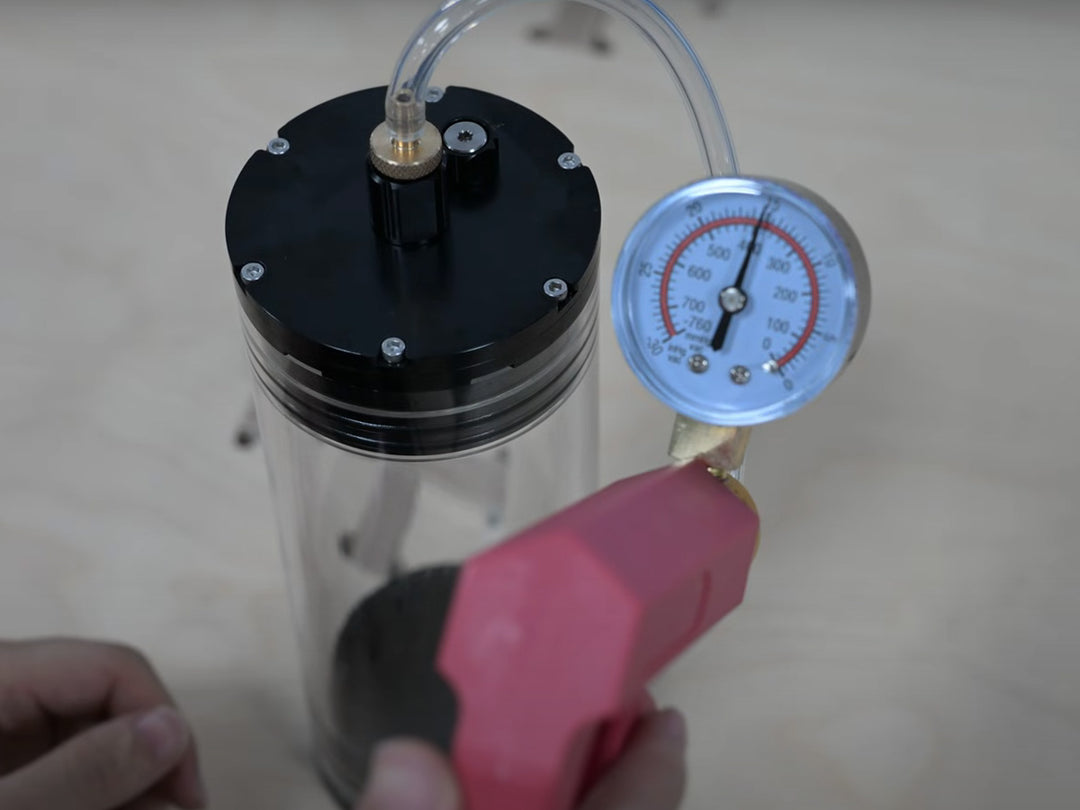
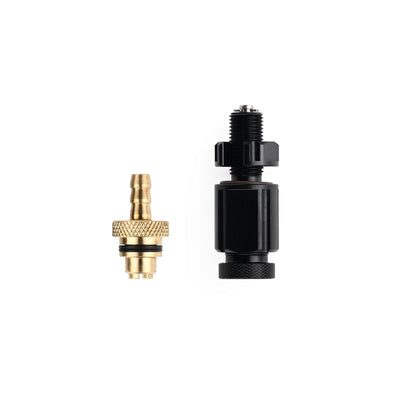
The Blu-Sub Acrylic Enclosure Tube does not include side locking holes by design. Sealing is achieved via flange friction, external water pressure, and optional vacuum retention using the Blu-Sub Vacuum Plug Kit. This design consistently maintains sealing integrity in normal use. When assembled, the enclosure performs as an underwater pressure housing, remaining sealed under external pressure. Applying a slight vacuum significantly increases holding force. If a lockable option is required, the Blu-Sub Aluminum Enclosure Tube includes mechanical locking features for enhanced pressure vessel configurations.