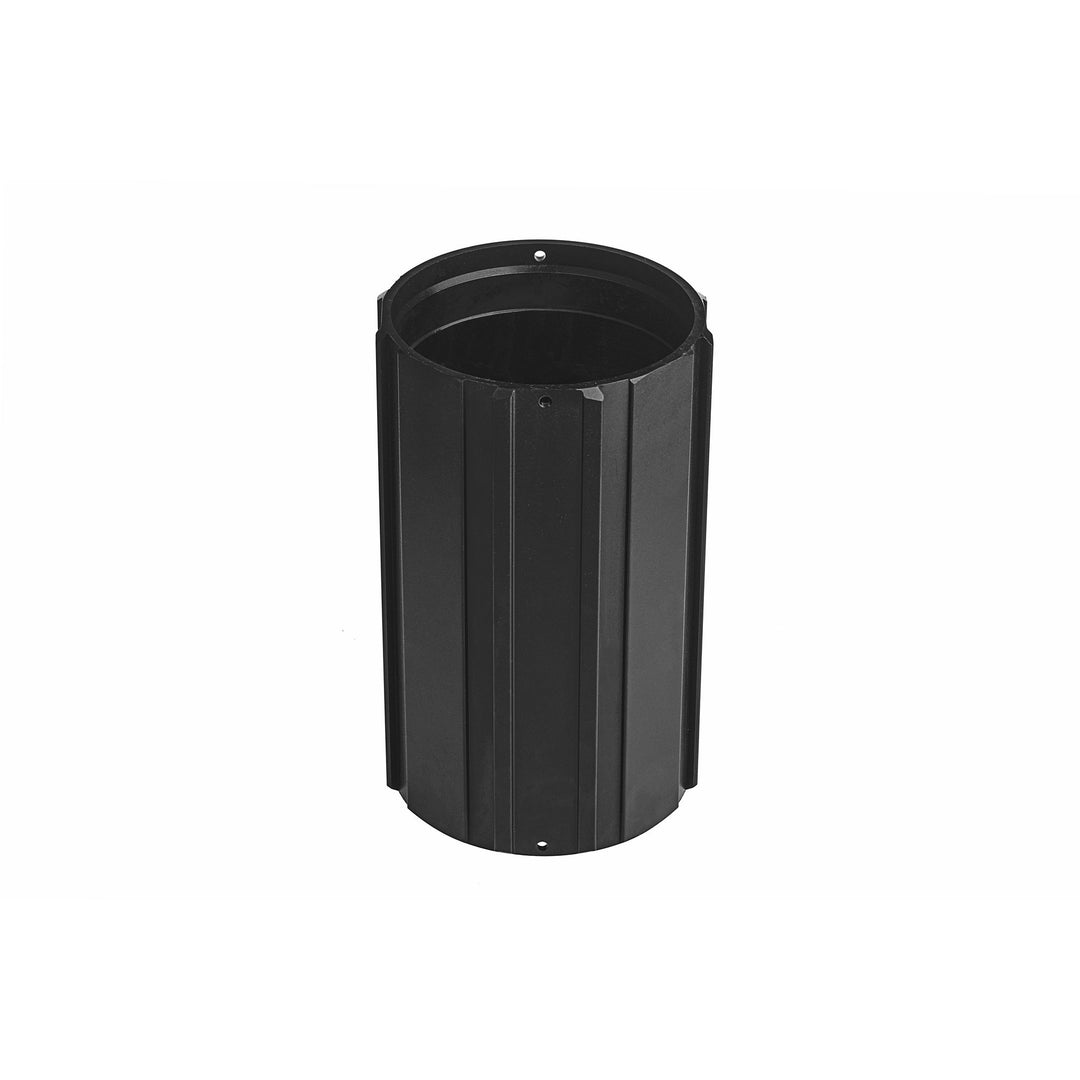
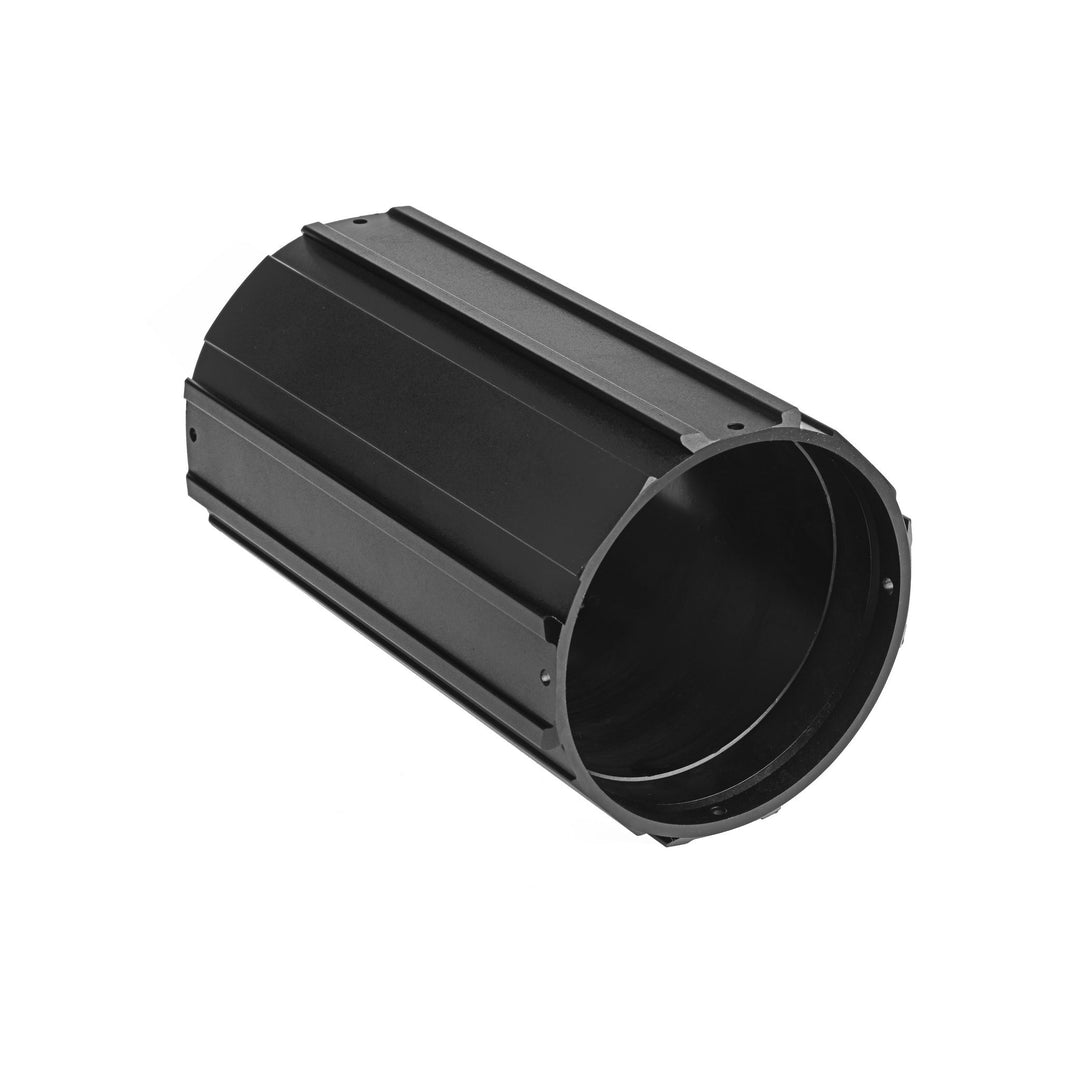


Subsea Enclosure Aluminum Tube
BS-SSC-ENCLT-ALU-A2A0
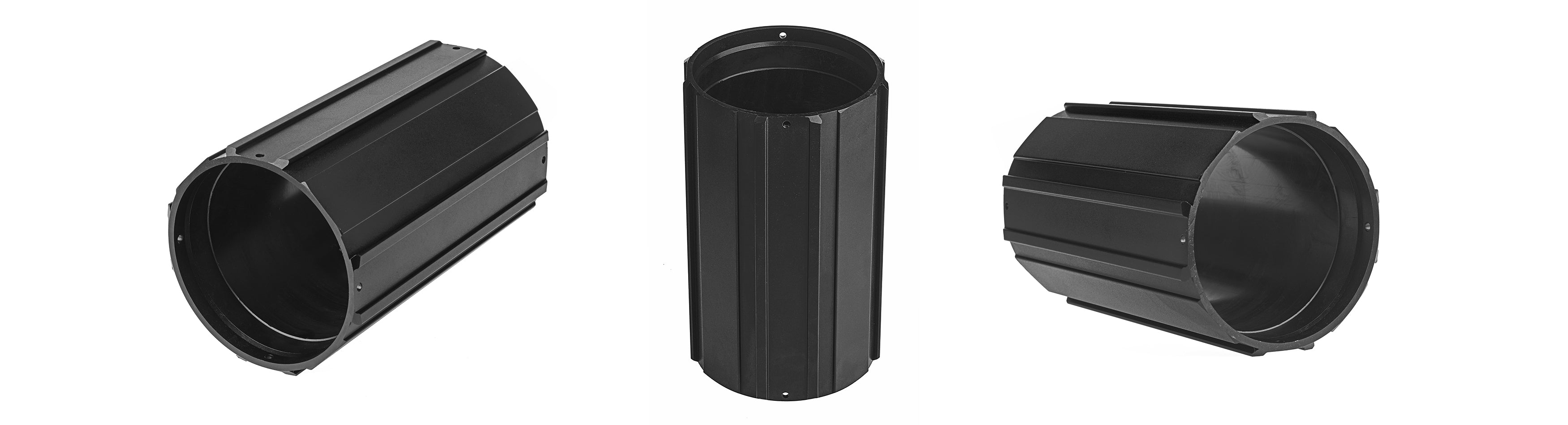
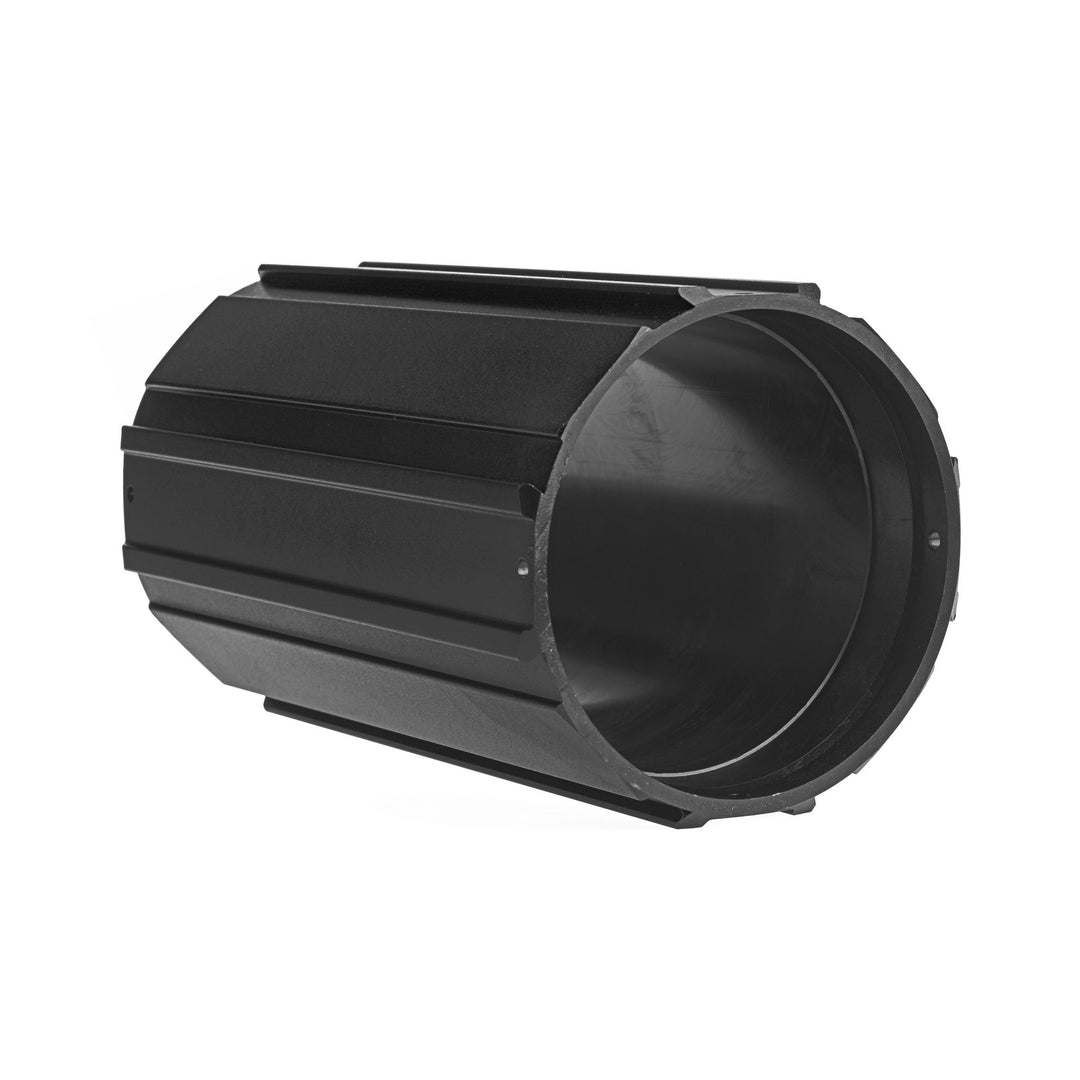
The Subsea Enclosure Aluminum Tube is a robust, pressure-rated housing component engineered for demanding underwater applications. Constructed from high-strength aluminum alloy, it functions as a compact underwater pressure housing or engineered pressure vessel (PV) for subsea systems. It offers excellent corrosion resistance and structural integrity, making it ideal for long-term deployments at depths up to 1,000 meters (3,280 feet). Unlike acrylic alternatives, aluminum is impervious to UV degradation, making this tube well-suited for surface-exposed systems or sunlit marine environments.
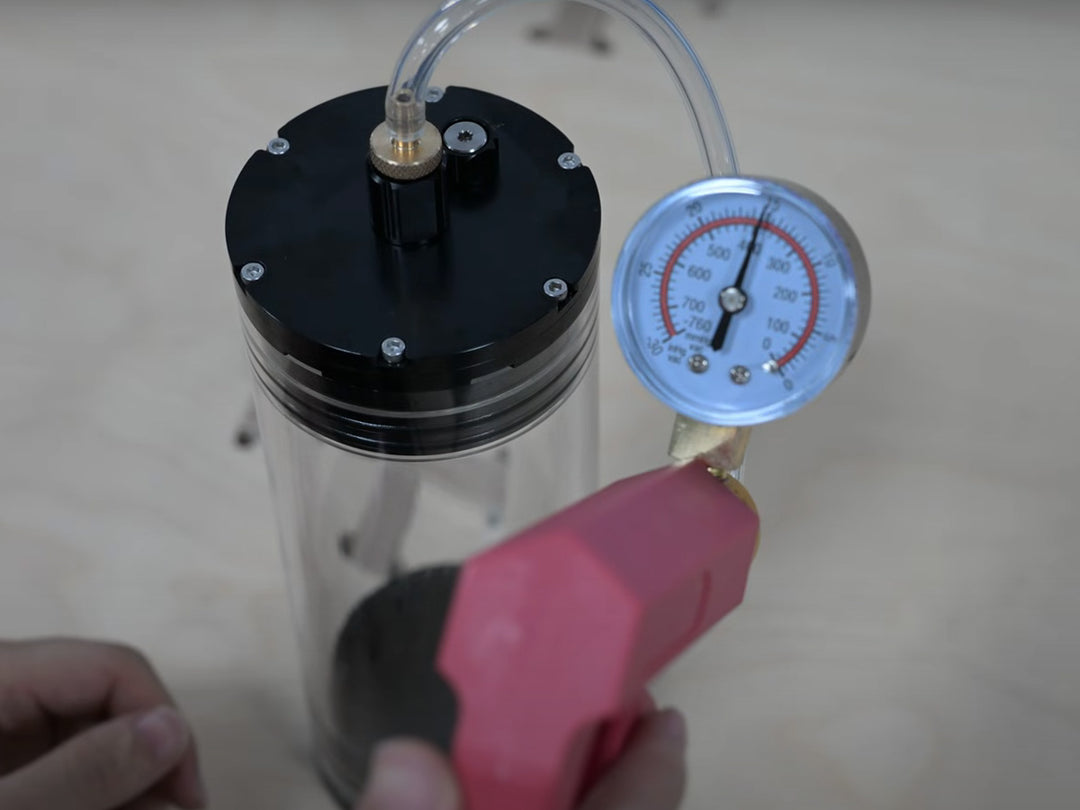
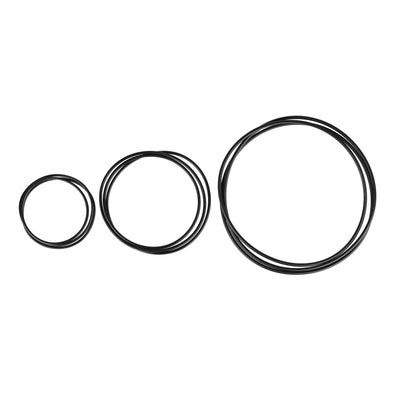
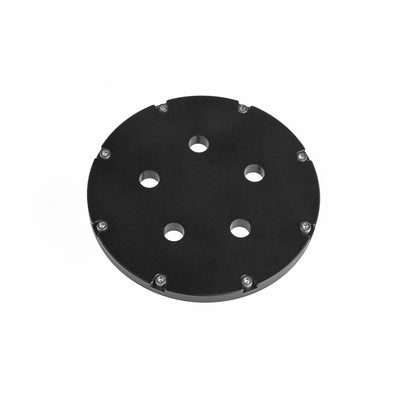
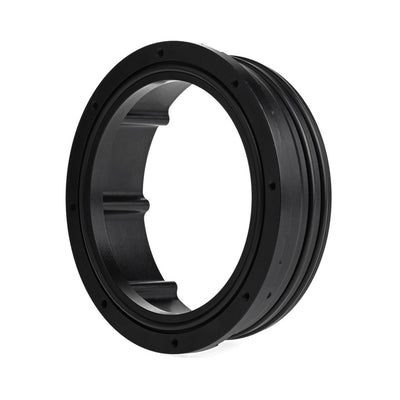
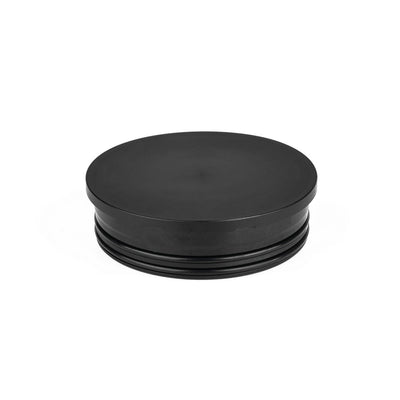
This tube is designed for seamless integration with the Subsea Aluminum Flange, which is used in combination with the Subsea Aluminum End-Cap to create a high depth-rated, mechanically retained sealing system. The flange uses dual O-rings and mechanical compression to ensure a reliable watertight seal, maintaining the integrity of this pressure vessel (PV) under deep-sea operating conditions.
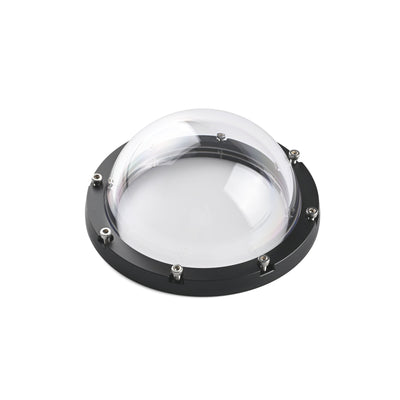
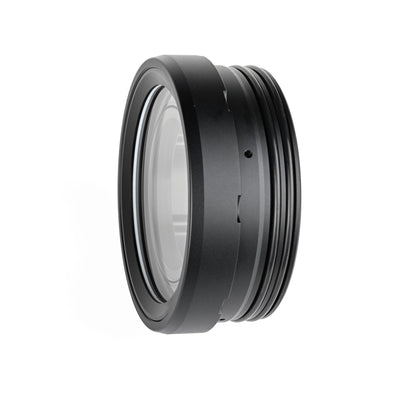
For applications where internal visibility is required, the tube is also compatible with the Subsea Acrylic End-Cap, which requires the Subsea Aluminum Flange for installation and provides a cost-effective, transparent sealing solution for shallower deployments. For 115 mm systems, additional sealing options include the Subsea Polymer Flange & End-Cap 115mm, the Subsea Optical Dome End-Cap 115mm (requires the separate Subsea Aluminum Flange and dome retaining ring), and the Subsea Optical Glass Flange & End-Cap 115mm, depending on optical and depth requirements.
Side locking ports on the Subsea Aluminum Flange and the Subsea Optical Glass Flange & End-Cap interface directly with the tube, offering optional mechanical retention of the end cap and flange. This is especially beneficial for high-vibration conditions or when deploying vertically in tethered systems, where movement or pressurization cycles could otherwise dislodge unfastened components. The Subsea Aluminum Flange secures to the tube using four set screws that engage with these locking ports.
This enclosure is well-suited for applications such as deep-sea ROVs, long-duration sensor pods, and other subsea systems requiring durable, corrosion-resistant housings. As an engineered pressure vessel, its compatibility with Blu-Sub’s modular sealing components ensures reliable performance in challenging underwater conditions.

Need Help Building Your Complete System?
Use our Subsea Enclosure Builder to design your complete underwater system with perfect compatibility, real-time pricing, and one-click ordering.
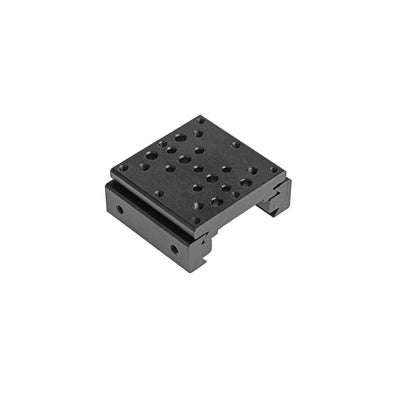
| Material | Black anodized aluminum, precision-machined ends with Arca-Swiss grooves |
|---|---|
| Weight | Varies by length; see technical table |
| Color | Black |
| Depth Rating | 1,000 m / 3,281 ft |
| Dimensions | Refer to dimension drawing |